Cleansing and Zealotry
I woke up in a bit of a panic. The last time I cleansed was quite successful and really enjoyed the process of discovering the truth behind my relationship with food. I feared that this time it might be more of a chore. Will I miss food more? Since I've already had my realizations, will the novelty be supplanted by desperate pangs of hunger? If this going to be more difficult?Also, I questioned my motivation. Truth be told, if I were stronger I could simply strike the balance and have more control with food. I mean, I'm not THAT bad. I'm only about 10-15lbs overweight (mostly in my gut and neck) but I still look damn good (thanks Mom and Dad for the genes). But this isn't about the weight itself, it's the psychology of this relationship. And I need a kick in the ass. Plus, what a better time to start? The last day of my cleanse I will be joined by millions of Jews fasting for atonement. As a secular Jew (it's a story for another post that I'll happily explain) I am always looking for alternative ways to interpret and celebrate during our holidays (the humanist haggadah at passover for example). The high holidays always throw me for a loop, because they are heavy with the god stuff. But you've got to hand it to my people. Fasting to atone for your misgivings, which is followed by a celebratory feast isn't so bad. It was designed to help us reconnect with our pure spirituality = clarity of mind without distractions. That seems to fit well into my discoveries with fasting.If you know the story of the Zealots, the original ones, you'd know the extent to which they would go for their cause. Here's the wiki on Masada:
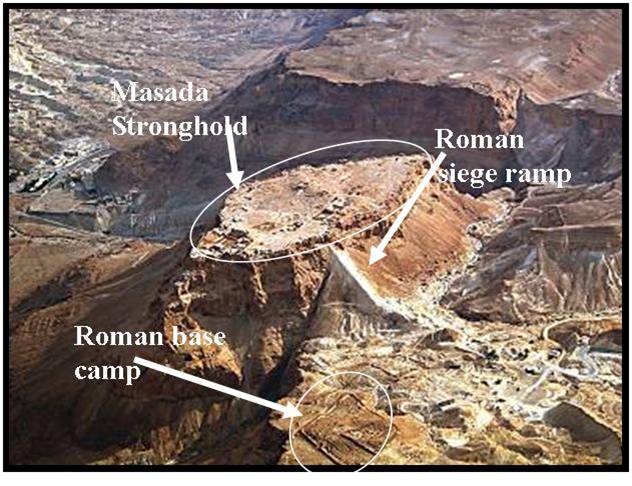
After the destruction of Jerusalem and the Second Temple in AD 70, 960 Zealots took refuge by capturing the Roman fortress of Masada and taking no prisoners. Rome sent the TenthLegion to retake the stronghold, but it failed for three years. It is estimated that they took over 1,000 casualties in the process. The Zealots held the fortress even after the Romans invented new types of siege engines. Finally, in the third year of the siege, Rome, gave up on taking the fortress intact and burned down the walls. When the Romans stormed in to capture the Zealots, they found that the fighters and their families had nearly all committed suicide.